Mombello Asylum: History, Secrets, and Horrors of Europe’s Largest Former Psychiatric Hospital

The Mombello Asylum, represents far more than a mere cluster of graffiti-covered ruins. For decades, this facility held the record as the largest psychiatric hospital in Europe—a true “city of the insane” that housed thousands of individuals. Today, the silence of its corridors tells a story of profound suffering, scientific ambition, and psychiatric methodologies that continue to spark debate.

The Origins: From Aristocratic Villa to Citadel of Madness

The history of Mombello began long before the advent of modern psychiatry. In the 18th century, the splendid Villa Pusterla even hosted Napoleon Bonaparte. However, in 1863, the Province of Milan purchased the property to address the severe overcrowding in the city’s psychiatric wards.

Within a few years, the administration transformed the villa into a massive hospital complex. Architects and doctors designed a self-sufficient structure, equipping it with bakeries, laundries, and artisan workshops. At its peak, the facility housed over 9,000 patients, becoming a secluded microcosm isolated from the rest of the world.

manicomio di Mombello tavolo con documenti
sala con lettino
dettaglio finestre
manicomio di Mombello stanza con macchinari

Life Inside: Between Restraint and Isolation

Inside the walls of Mombello, the medical staff enforced a rigid hierarchy. Patients lived divided into wards based on the severity of their pathology and their perceived social danger. While guards and nurses constantly monitored the patients, tall iron bars on the windows prevented any attempt at escape.

The institution functioned not only as a place of healing but, above all, as a tool for social control. Anyone displaying behavior non-compliant with the morals of the time—ranging from “rebellious” women to political dissidents—risked lifelong internment.

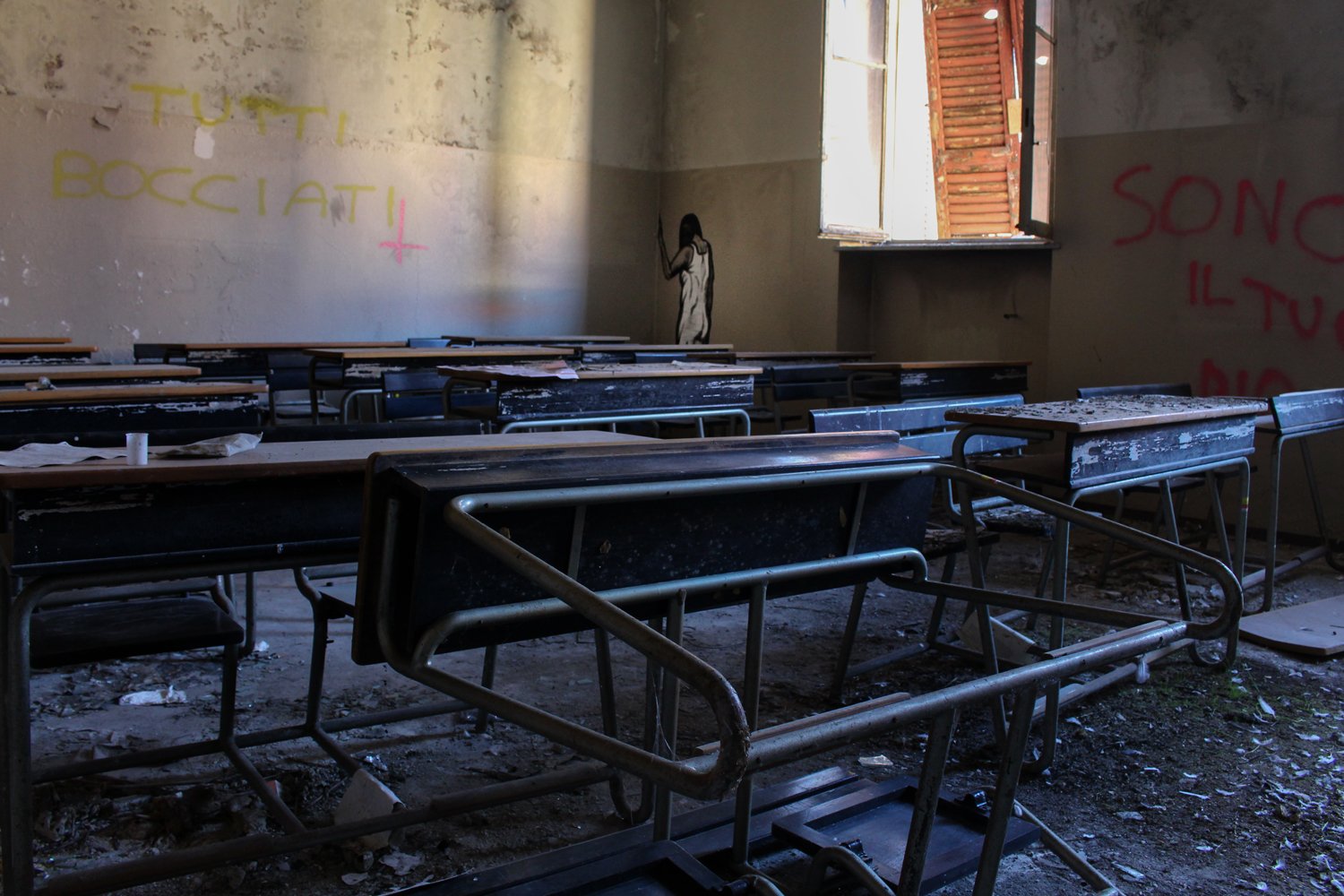
manicomio di Mombello aula scolastica
parete e dettaglio

Psychiatric Treatments at Mombello: The Era of Electroshock

Twentieth-century psychiatry sought drastic answers to complex problems through therapies that we would define as brutal today. Doctors administered electric shocks to induce convulsions, hoping to “reset” the brains of patients suffering from schizophrenia or depression. Simultaneously, staff utilized insulin-shock therapy, inducing temporary hypoglycemic comas in patients through massive doses of insulin.

In extreme cases, surgeons physically intervened on the brain’s frontal lobes via lobotomy to sedate the most violent subjects. Hydrotherapy also played a central role, although the use of ice-cold or prolonged baths often served more as a method of physical restraint than as a source of genuine therapeutic benefit. Alongside these practices, Director Giuseppe Antonini promoted “ergotherapy”—the “work cure”—employing patients in agricultural and manufacturing activities to keep them productive.

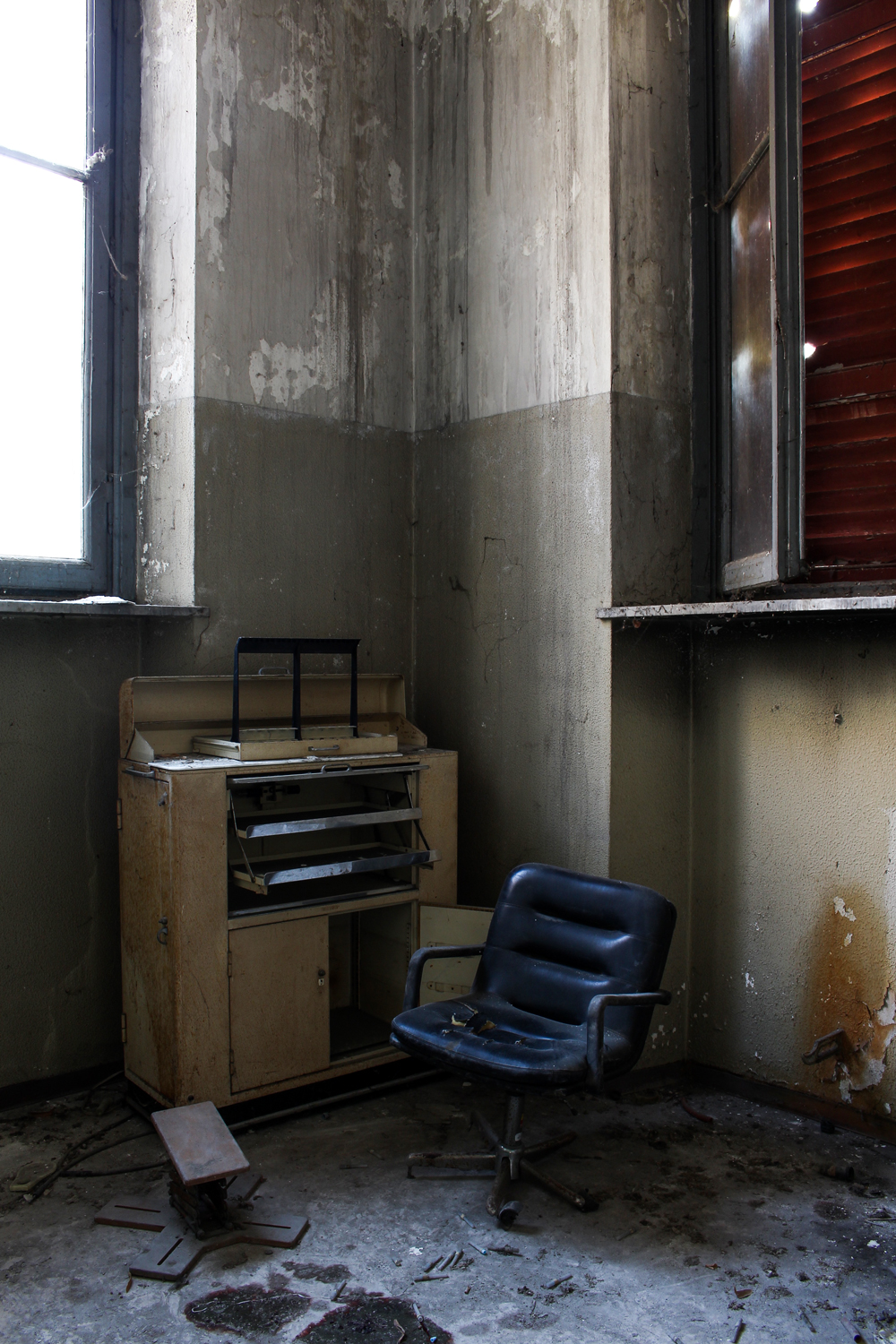
manicomio di Mombello macchinario con sedia
manicomio di Mombello giardino esterno
manicomio di Mombello poltrona rossa

The Case of Benito Albino Mussolini

One of Mombello’s darkest secrets involves Benito Albino Mussolini, the unacknowledged son of Il Duce and Ida Dalser. To erase every trace of his existence and his inconvenient parentage, the Fascist regime ordered his forced internment. The young man died within the walls of Mombello in 1942, a victim of a system that used psychiatry as a political weapon to make “undesirables” disappear.

The Basaglia Law and the Inevitable Decline

Mombello’s fate shifted radically in 1978 with the passage of Law 180 (The Basaglia Law). This new legislation mandated the closure of asylums and the restoration of dignity to the mentally ill. the decommissioning process was long and complex, leading to the final closure of the last pavilion only in the 1990s.

Since then, decay has taken hold. Wild vegetation has invaded the gardens, and vandals have plundered most of the historical furnishings. Despite its abandonment, Mombello Manor remains an iconic destination for anyone wishing to understand the darker side of Italian medical history.

If you are interested you can see the photos of my last visit to Mombello in the post “Return to the Asylum Mombello“.

IF YOU LOVE ABANDONED ASYLUMS AT THIS LINK YOU CAN SEE MY EXPLORATIONS.

manicomio di Mombello finestra con edera
corridoio
manicomio di Mombello porta otorino

DISCOVER OTHER ABANDONED PLACES

VILLA CERRI

4 January 2026

DOCTOR HOUSE

6 December 2022

STYLIST’S VILLA

14 October 2022

ANTIQUARIAN’S VILLA

10 October 2022